In Slovakia, most households sort waste into paper, plastic/metal/drink cartons, glass, bio-waste, and mixed municipal waste. Deposit-marked plastic bottles and cans usually do not go into household recycling; return them to a shop or reverse vending machine to get the deposit back.
This guide was refreshed on 16 June 2026 for GSC queries such as sorted waste, sort waste, and waste sorting collection. Exact bins can vary by municipality, so check your building notice or city website.
Quick sorting table
| Waste | Typical bin | Notes |
|---|---|---|
| Paper/cardboard | Blue | Flatten boxes; avoid greasy food paper. |
| Plastic, metal, drink cartons | Yellow or local combined system | Rules vary by municipality. |
| Glass | Green/white containers | Do not include ceramics or mirrors. |
| Bio-waste | Brown | Food and garden rules differ by city. |
| Mixed waste | Black/grey | Use only after separating recyclables. |
| Deposit PET bottles/cans | Return machine/shop | Keep the barcode readable and container uncrushed. |
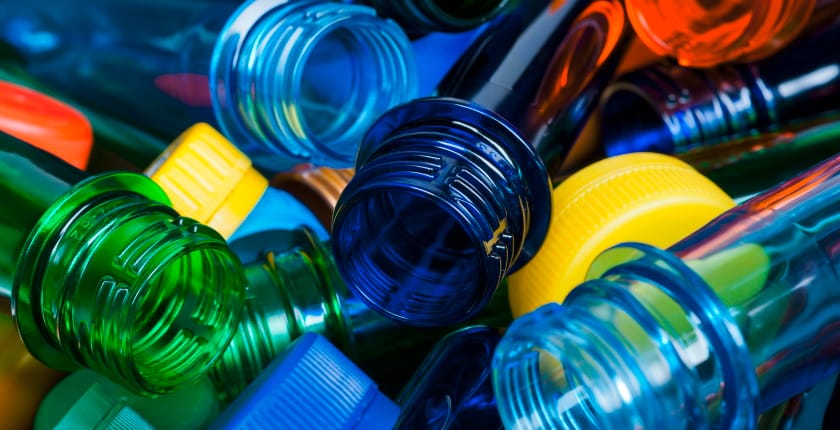
Deposit bottles and cans
Slovakia introduced a deposit-return system for PET bottles and cans in 2022. Deposit containers are returned to participating collection points, usually supermarkets or reverse vending machines. Do not crush them, because the machine needs to read the barcode and shape.
Apartment-building rules
If you live in a flat, your landlord or building administrator may have specific instructions for collection days, bulky waste, bio-waste containers, and locked bin areas. Ask before leaving furniture, electronics, paint, cooking oil, or construction waste near the bins.
Common mistakes
- Putting deposit bottles into yellow bins instead of returning them.
- Throwing greasy pizza boxes into paper recycling.
- Putting drinking glasses, mirrors, or ceramics into glass recycling.
- Leaving electronics or furniture beside mixed-waste bins.
- Ignoring municipality-specific rules for bio-waste.
Best habit
Set up small home containers for paper, plastic/metal/cartons, glass, bio-waste, deposit containers, and mixed waste. Sorting becomes much easier when you do it daily instead of trying to separate everything at the outside bins.
Full practical guide
Waste sorting in Slovakia is not only a legal requirement but also an important part of everyday life. Across the country, municipalities have invested in clear systems that encourage people to recycle more and send less waste to landfills. This effort is closely tied to EU environmental goals, but it is also something that has become part of local culture. Residents are used to separating their trash carefully, and the system works best when everyone participates. What may seem complicated at first becomes second nature once you understand the rules, and it actually makes life easier in the long run.
The Color-Coded System
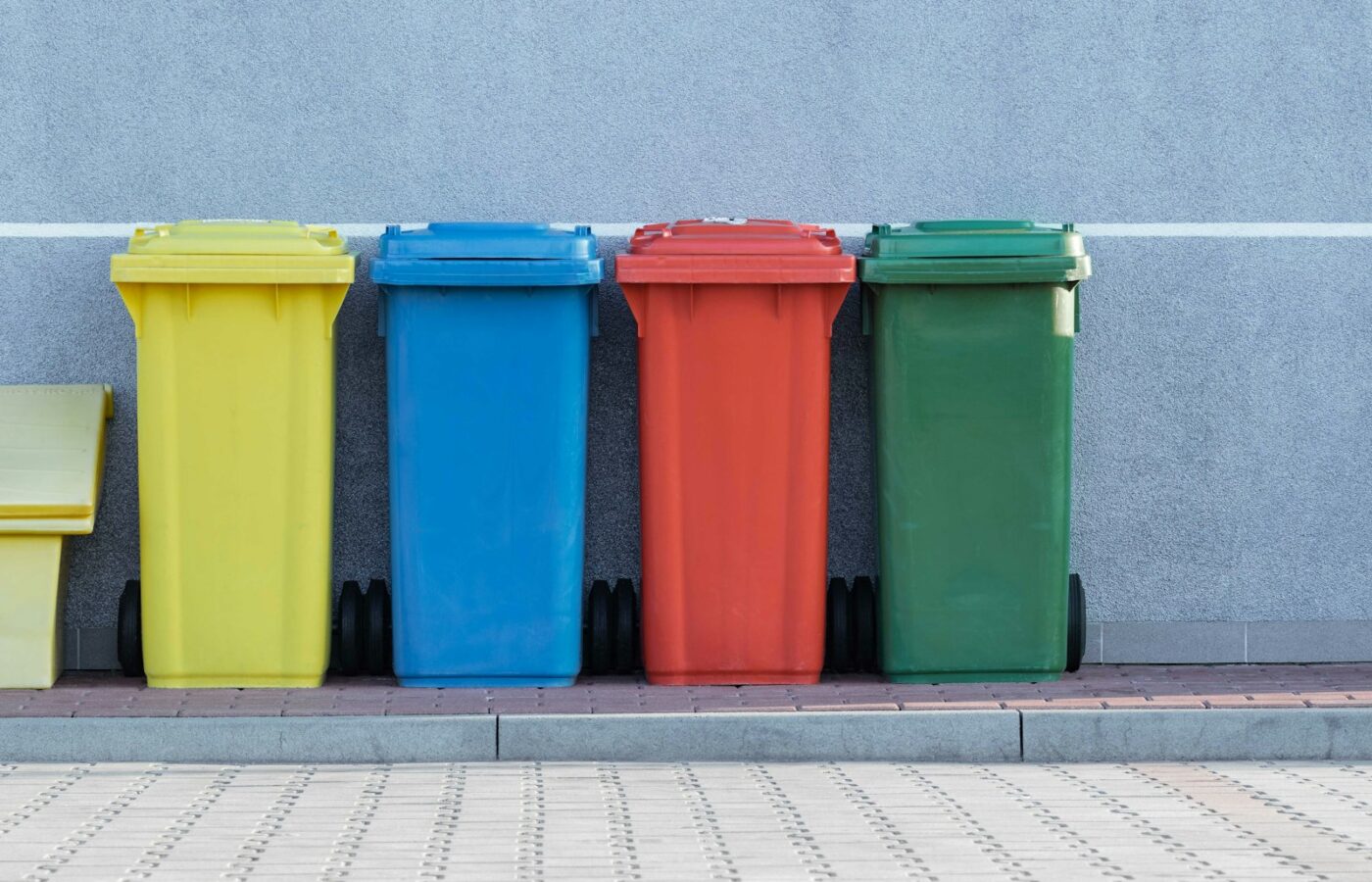
The process of waste sorting is based on a set of color-coded bins, which are used almost everywhere in Slovakia. Once you learn the colors, everything becomes much simpler.
| Color | Label in Slovak | Waste Type | Examples |
|---|---|---|---|
| 🔵 Blue | Papier | Paper | Newspapers, cardboard, envelopes, notebooks |
| 🟡 Yellow | Plasty a kovy | Plastics & Metals | PET bottles, food packaging, drink cartons, cans, tins |
| 🟢 Green / ⚪ White | Sklo | Glass | Bottles, jars (without caps, ceramics, or mirrors) |
| 🟤 Brown | Bioodpad | Organic Waste | Food scraps, garden waste, coffee grounds, tea bags |
| ⚫ Black / Grey | Zmesový odpad | Mixed Waste | Everything that doesn’t fit elsewhere |
Apartment buildings usually have shared collection points outside, while houses receive their own bins with scheduled pick-up days. This structure makes the process predictable and consistent across the country.
Handling Common Confusing Items
Although the system is clear, some items always raise questions. Pizza boxes, for instance, should be separated: clean parts go with paper, while greasy parts belong to mixed waste. Milk and juice cartons are usually sorted with plastics, but municipalities sometimes have their own approach, so it is wise to check local guidelines. Plastic bottle caps can stay on bottles, while metal lids should be separated into the metal category. Broken glass does not belong in the glass bins because it is dangerous, and expired medicines must be returned to pharmacies rather than placed in household waste. Once you learn these small details, sorting stops being confusing.
Making Sorting Part of Daily Life
A few practical habits can make the process much easier at home. Many households keep small bins in the kitchen for each category, so waste is separated immediately instead of being sorted later. Giving plastic and glass containers a quick rinse keeps smells away and makes collection more pleasant for everyone. Items like old clothes, electronics, and bulky furniture have their own public collection points, usually placed around towns and cities. These specialized bins and centers make it convenient to dispose of almost anything responsibly.
What makes waste sorting in Slovakia stand out is its role as a shared community habit. Neighbors often notice when bins are used incorrectly, and municipalities provide clear instructions and signage to help people get it right. Children learn the color codes early at school, and many families use sorting as a way to teach responsibility and environmental awareness. It becomes part of the rhythm of daily life, shaping how people interact with their homes and communities.
The Benefits of Doing It Right
The advantages of proper waste sorting go beyond the environment. In some municipalities, the amount of mixed waste directly influences household waste fees. By reducing mixed waste, families can save money while also reducing their ecological footprint. Over time, these savings add up, and the practice becomes both an eco-friendly and cost-effective choice.
Ultimately, waste sorting in Slovakia is more than a routine. It is a system designed to protect nature, reduce landfill, and create healthier communities. Once you know the basic rules and colors, it becomes second nature. Every bottle, piece of paper, or bag you place in the right bin contributes to a cleaner country and a more sustainable future.