On a Slovak menu, “dumpling” can describe three foods that look and function very differently. Halušky are small pieces of boiled dough, pirohy are filled dough pockets, and knedľa is usually a steamed loaf served in slices. Knowing which is which makes ordering much easier.
Key differences at a glance
| Type | What it looks like | Usual role | Common ingredients or fillings |
|---|---|---|---|
| Halušky | Small, irregular boiled dumplings | Main dish or accompaniment | Potato and flour; often mixed with bryndza or sauerkraut |
| Pirohy | Sealed crescent or pocket | Filled main dish | Potato-based dough with bryndza, potato, curd cheese, jam, or other fillings |
| Knedľa | Round or oval slices cut from a cooked loaf | Side dish | Usually leavened flour dough; served with meat, stew, sauce, or cabbage |
The quickest decision rule is simple: choose halušky for small dumplings coated in another ingredient, pirohy when you want a filling inside, and knedľa when you need a soft side for sauce.
What halušky are
Halušky are small pieces of soft dough cooked in boiling water. Their uneven shape is part of the style: the dough may be pushed through a perforated utensil or cut directly into the pot rather than formed into identical pieces.
The best-known version is bryndzové halušky. According to the official Slovakia Travel recipe, its dough contains potatoes, flour, and salt. The cooked dumplings are combined with bryndza and traditionally topped with fried smoked bacon and its rendered fat.
Bryndza is a soft, salty cheese associated with sheep’s milk. The name Slovenská bryndza is registered as a protected geographical indication in the EU. Its presence means bryndzové halušky are not dairy-free, while the customary bacon topping means the standard restaurant version is not vegetarian.
You may also see strapačky, in which halušky are served with sauerkraut. This can sound vegetarian, but recipes and restaurants may add bacon, pork fat, or meat. Ask rather than relying on the dish name.
Halušky are sometimes translated as “gnocchi,” “dumplings,” or even “spaetzle.” These translations describe the general format, not an exact match with an Italian or German dish. For more context before ordering a traditional meal, see LovinSK’s overview of Slovak dishes to try.
What pirohy are
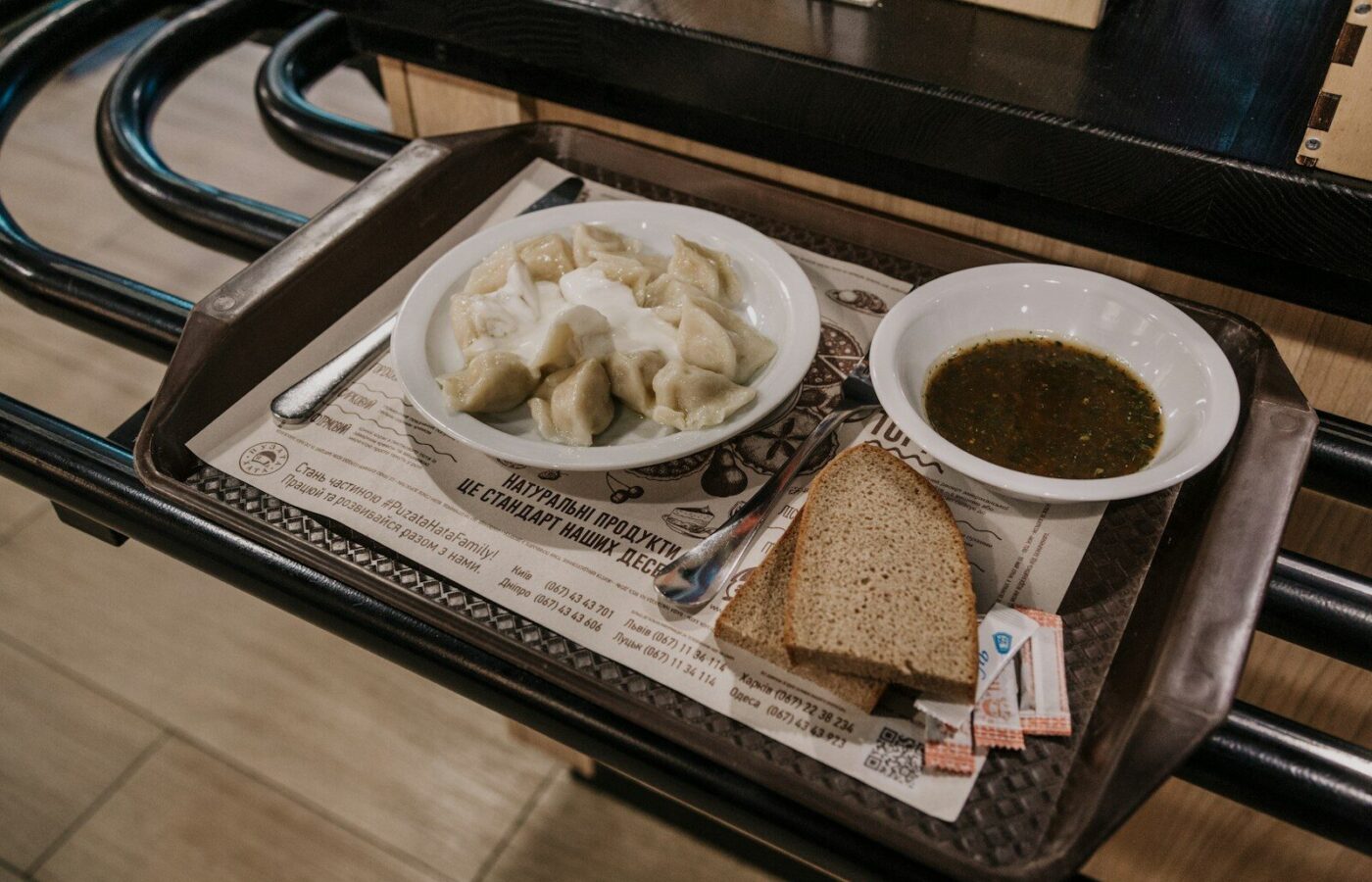
Pirohy are filled dumplings. Dough is rolled out, divided into pieces, wrapped around a filling, sealed, and boiled. Their visible pocket shape makes them easy to distinguish from halušky.
Bryndzové pirohy are a common savoury version. The official Slovakia Travel recipe uses a potato-and-wheat-flour dough containing egg, with bryndza inside. It serves the cooked pirohy with butter, sour cream, bacon, and herbs. Restaurant recipes vary, but this example shows why the dough, filling, sauce, and topping all matter when checking dietary suitability.
Pirohy can also be sweet. An official Slovakia Travel gastronomy publication notes versions with jam, curd cheese, or poppy seeds as well as savoury bryndza-and-bacon pirohy. On a menu, therefore, the word pirohy tells you the shape rather than the flavour.
Words that may identify the filling
- bryndzové: with bryndza
- tvarohové: with tvaroh, a fresh curd cheese
- zemiakové: potato
- kapustové: cabbage or sauerkraut
- mäsové: meat
- lekvárové: filled with thick fruit preserve
- makové: with poppy seed
The adjective may refer to the filling, but it does not necessarily describe every topping. For example, cheese-filled pirohy may still arrive with bacon.
What knedľa is
Knedľa is usually not an individually filled dumpling. The familiar parená knedľa, or steamed dumpling, is a soft loaf made from leavened flour dough. It is cooked whole and cut into round or oval slices.
Knedľa is primarily an accompaniment. Its mild flavour and absorbent texture suit dishes with plenty of sauce, such as goulash, paprika-based stews, sauerkraut dishes, or roast meat with gravy. If a menu lists meat “s knedľou,” expect sliced dumpling beside it rather than a filling inside it.
Recipes commonly use wheat flour and yeast, while milk and egg may also be included. Bread cubes appear in some Central European versions but are not universal. Because the composition is not fixed across kitchens, diners avoiding milk or egg should check the restaurant’s recipe.
Typical fillings and accompaniments
These pairings are common rather than guaranteed:
- Bryndzové halušky: bryndza, bacon pieces, and rendered bacon fat; sour milk or buttermilk may be offered as a drink.
- Strapačky: sauerkraut, often with bacon or another pork component.
- Bryndzové pirohy: bryndza filling with butter, sour cream, herbs, and frequently bacon.
- Sweet pirohy: fruit preserve, curd cheese, or poppy seed, with possible butter, sugar, or breadcrumbs on top.
- Knedľa: goulash, stewed or roasted meat, gravy, paprika sauce, or sauerkraut.
Do not confuse knedľa with knedličky listed in a soup. The diminutive generally refers to smaller dumplings, which may have a different recipe and purpose.
Vegetarian and allergen checks
For vegetarians
A cheese, potato, or cabbage description does not by itself guarantee a vegetarian plate. Bacon is a standard topping for several traditional dumpling dishes, and pork fat may be used during preparation.
- Ask for the dish bez slaniny if you want it without bacon.
- Also ask whether it contains bravčová masť, meaning pork fat or lard.
- For knedľa, check the sauce and main dish rather than only the dumpling.
- For a vegan meal, check separately for milk, cheese, butter, sour cream, and egg.
Useful questions include Je to vegetariánske? (“Is it vegetarian?”) and Obsahuje to mäso alebo masť? (“Does it contain meat or lard?”). LovinSK’s Slovak language resources can help you build more everyday food vocabulary.
For allergies and coeliac disease
Wheat, milk, and egg are the main checks across these dishes. The European Commission’s allergen guidance identifies cereals containing gluten, milk, and eggs among the 14 allergens that must be declared when used as ingredients. EU guidance also requires allergen information to be available for non-prepacked food, including restaurant food, although the method of providing it can depend on national rules.
- Halušky: normally contain wheat flour; bryndzové versions contain milk.
- Pirohy: normally contain wheat; dough may contain egg; cheese fillings and dairy toppings contain milk.
- Knedľa: normally contains wheat; recipes may also contain milk and egg.
- Toppings: butter, sour cream, breadcrumbs, sauces, and fried garnishes can add allergens not obvious from the main name.
Potato in the dough does not make halušky or pirohy gluten-free. If cross-contact is medically important, ask how the dish is prepared and whether the kitchen can manage your requirements. Do not infer safety from a shortened English translation on the menu.
When buying ingredients to cook at home, inspect the full label rather than relying on the front name. LovinSK’s guide to shopping at Bratislava farmers’ markets provides additional context for finding local foods and asking vendors about products.
Frequently asked questions
Are halušky and pirohy made from the same dough?
They can both use potato-and-flour dough, but they are formed differently. Halušky are small unfilled pieces; pirohy use rolled dough sealed around a filling. Recipes also vary in whether they include egg and in the proportions of potato and flour.
Is knedľa a main dish?
Usually not. Sliced steamed knedľa generally replaces bread, rice, or potatoes beside a saucy main dish. Filled fruit dumplings and other dishes in the wider dumpling family are separate preparations.
Which Slovak dumpling should I try first?
Choose bryndzové halušky for the best-known Slovak combination, pirohy if you prefer a filled dumpling, or knedľa when ordering goulash or another dish with sauce. Check bacon and allergens before ordering if you have dietary restrictions.