Paying at Bratislava bars and clubs is usually straightforward, but the procedure varies by venue. Before ordering, check how payment works, whether the staff will keep a running tab, and whether your group needs separate bills. A few questions at the start can prevent confusion at closing time.
Check the accepted payment methods
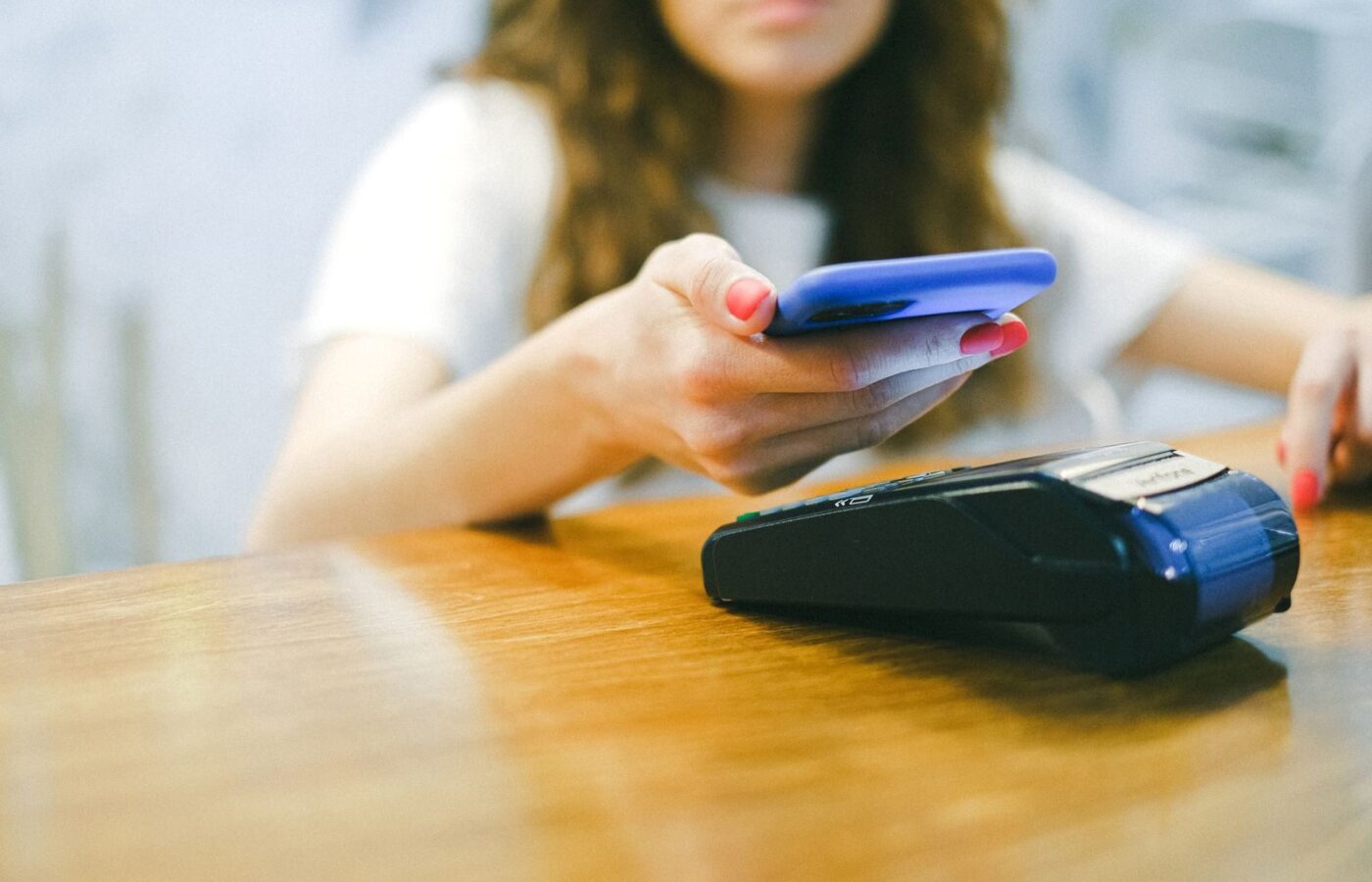
Slovakia uses the euro. Since 1 May 2026, businesses required to record sales through eKasa must generally offer at least one cashless payment method for transactions above €1. According to the Financial Administration, that method does not have to be a payment card: a venue may instead offer a QR payment or another qualifying bank payment.
Do not therefore assume that every bar has a conventional card terminal. Ask before ordering if using a particular payment method matters to you:
- Card: “Can I pay by card?” or, in Slovak, “Môžem platiť kartou?”
- Cash: “Can I pay in cash?” or “Môžem platiť v hotovosti?”
- Separate payments: “Can we pay separately?” or “Môžeme platiť zvlášť?”
A temporary terminal, banking-system or internet failure may affect the available cashless method. Carrying some euro cash remains a practical backup, especially late at night.
A venue must not add a fee merely because you choose an ordinary cashless method. The Financial Administration says the price must remain the same regardless of whether the customer uses cash, card, mobile or QR payment. EU rules also generally prohibit surcharges for standard consumer debit and credit cards, although limited exceptions can apply to certain commercial cards and three-party schemes.
Choose euros on a foreign card terminal
If a terminal offers to charge a non-euro card in either euros or your home currency, read the conversion information before approving the payment. Paying in your home currency is called dynamic currency conversion. EU guidance requires the provider to disclose the associated conversion charges as a percentage markup over an ECB reference rate.
Selecting euros lets your own card provider perform the conversion. This is often preferable, but compare the displayed markup with your bank’s exchange rate and foreign-transaction fee rather than treating it as an absolute rule. The terminal must not make the currency decision for you.
Understand table service and bar tabs
Payment flow depends on the venue. In a cocktail bar or restaurant-style establishment, a server may record orders by table and present one bill at the end. In a busy pub or club, customers may order and pay at the counter each time. Some venues run a tab associated with a table, name, card or numbered token.
Before the first round, establish three points:
- Are drinks paid for immediately or added to a running bill?
- Is the tab assigned to the entire table or to one person?
- Can the venue separate individual orders when the bill is closed?
Do not assume staff will remember which member of a large group ordered each item. If everyone intends to pay separately, say so before ordering. For more context on choosing venues and what different nightlife areas offer, see LovinSK’s guide to Bratislava nightlife and bars.
Decide whether and how much to tip
Tipping in a Bratislava bar is customary in some situations but is not a fixed legal charge. There is no universal percentage that customers must add. Check the bill first so that you do not mistake an included service charge for a voluntary tip.
For table service, rounding up or leaving roughly 5% to 10% for good service is a practical convention, not an obligation. At a counter where each drink is paid for immediately, customers may simply round the amount or leave no tip. Larger tips remain discretionary.
Tell the server the total before a card payment
Payment terminals do not all handle tips in the same way. Some display a tipping screen; others require the server to enter the final amount before you tap or insert your card. State the total clearly and confirm the number shown on the terminal.
When paying cash, you can say the total amount you want charged. For example, if the bill is €18.60 and you want to pay €20, say “twenty” when handing over the money. Do not use “thank you” as an indirect tipping instruction unless you are certain the staff will understand your intention.
Tipping practices can differ by service type. LovinSK’s separate guide to food delivery and tipping in Slovakia covers home deliveries rather than nightlife venues.
Split a group bill without delaying payment
A venue is not guaranteed to support every requested split. Its till may allow payment by item, equal shares or several payment methods, but the practical options depend on its system and how the orders were recorded.
| Preferred arrangement | Best approach |
|---|---|
| Everyone pays for their own drinks | Request separate orders before the first round. |
| The group divides the total equally | Ask whether the till can accept several card payments against one bill. |
| One person pays | Settle once and arrange private repayments afterward. |
| Cash and card combined | Ask before handing over cash because the till may require a particular sequence. |
For a large group, one payment followed by bank transfers is often simpler. Check transfer limits and account details in advance; LovinSK’s overview of banking in Slovakia provides broader local banking context.
Review the receipt and challenge incorrect charges
At the point of sale, payments made by cash, card or qualifying electronic methods generally have to be recorded through eKasa, and the buyer should receive a cash-register receipt. The Financial Administration also provides an official receipt-verification service through its ePeňaženka mobile application and “Over doklad” web application.
Before leaving, check:
- the number and type of drinks;
- unit prices and the total;
- any service charge or deposit;
- the amount entered on the card terminal;
- whether a card payment appears to have been processed twice.
A card-terminal slip is not necessarily the same document as the itemised eKasa receipt. Keep both when questioning a charge. A receipt helps identify the business, transaction date, purchased items or service, and amount paid.
If something is wrong, raise it with staff immediately and ask for the bill to be checked against the till or table record. Explain the specific disputed item rather than only saying that the total looks too high. Photograph or retain the receipt and note the time, venue and amount.
If the venue does not resolve a consumer dispute, the Slovak Trade Inspection’s alternative dispute resolution guidance says consumers must first use the available procedure with the trader before applying for alternative resolution. For an unrecognised, duplicated or incorrectly processed card transaction, contact your card issuer promptly as well. The bank will determine what evidence and payment-dispute process applies.
FAQ
Must every Bratislava bar accept cards?
No. Since 1 May 2026, covered businesses must generally offer a cashless option for payments above €1, but that option may be a card, QR payment or another qualifying electronic method. Temporary technical failures and statutory exceptions can also apply.
Is a 10% tip compulsory?
No. A tip is voluntary unless a clearly disclosed service charge forms part of the bill. Rounding up or leaving approximately 5% to 10% for good table service is a convention, not a legal requirement.
Can a bar refuse to split the bill?
The available split depends on the venue’s ordering and till system. Ask before the group starts ordering. Staff may offer separate itemised payments, equal shares or one combined payment.
What should I do if the terminal shows the wrong amount?
Do not approve the payment. Ask the server to cancel or correct it and check the final amount before tapping, inserting your card or entering a PIN. If an incorrect transaction has already completed, keep the receipts and contact the venue and your card issuer.