When an unexpected illness or injury occurs in Slovakia, the right destination depends mainly on severity and timing. Your options include your regular doctor, an after-hours outpatient clinic, a hospital urgent reception, and the emergency medical service.
First assess whether there is immediate danger
Do not spend time searching for a clinic if the person may be in a life-threatening or otherwise serious condition. Call 155, Slovakia’s medical emergency number. You can also call 112, the EU-wide emergency number, free from a fixed or mobile phone.
The Operational Centre of the Emergency Medical Service advises calling 155 for situations such as:
- sudden severe chest pain or serious difficulty breathing;
- loss or disturbance of consciousness, collapse, or seizures;
- sudden paralysis or problems with speech or vision;
- choking;
- massive bleeding or a serious injury;
- sudden unbearable pain or rapid serious deterioration.
This is not a complete diagnostic list. If you reasonably believe that a life or essential bodily function is at risk, call for help rather than trying to classify the condition yourself.
Choose the right route for urgent medical care in Slovakia
| Situation | Where to go or call |
|---|---|
| Possible life-threatening or serious condition | Call 155 or 112 |
| You are unsure what level of care is needed, but there is no immediate danger | Call 116117 for medical advice |
| The problem can safely wait until normal opening hours | Contact your regular general practitioner or paediatrician |
| An acute, non-life-threatening problem cannot reasonably wait for your doctor | Use an ambulantná pohotovostná služba, or after-hours outpatient service |
| The condition is acute or potentially serious and hospital assessment may be required | Go to a hospital urgentný príjem, or urgent reception |
Call emergency services when necessary
When calling 155 or 112, state your location as precisely as possible, explain what happened, describe the person’s condition, and answer the operator’s questions. Follow the operator’s instructions and do not end the call until told to do so.
If you do not speak Slovak, use simple English and begin with the location and nature of the emergency. Useful Slovak phrases are available in LovinSK’s language guide for a doctor’s visit.
For a medical problem that is not immediately life-threatening, Slovakia also has the 116117 medical advice line. It provides guidance but cannot dispatch an ambulance. Call 155 instead if the person has warning signs such as severe breathing difficulty, unconsciousness, major bleeding, or a serious injury.
Use your regular doctor when the problem can wait
During normal consulting hours, your general practitioner is usually the appropriate first contact for a new illness that is uncomfortable but stable. For a child, contact the child’s paediatrician.
Your doctor can examine the problem, prescribe treatment, issue necessary medical documentation, or direct you to specialist or hospital care. Calling the practice first can also confirm whether it is open and accepting acute patients that day.
Minor symptoms that can safely wait should not be taken to a hospital urgent reception simply because it is open. Hospital patients are assessed by medical priority, so a person with a less serious condition may wait while critical cases are treated.
Use after-hours outpatient care for acute, non-life-threatening problems
Ambulantná pohotovostná služba, commonly abbreviated as APS, is after-hours outpatient care for acute problems that cannot reasonably wait for a regular doctor but are not life-threatening. The National Health Information Centre describes APS as care provided outside normal primary-care consulting hours, with limited evening, weekend, and holiday operation.
Typical reasons might include a worsening infection, fever without emergency warning signs, significant ear or throat pain, or another sudden problem requiring examination. The final decision still depends on the patient’s overall condition, age, medical history, and accompanying symptoms.
The Ministry of Health states that fixed adult APS normally operates:
- weekdays: 16:00-22:00;
- weekends and public holidays: 07:00-22:00.
Children’s APS hours and local availability may differ, and individual service points can change. Check the Ministry of Health’s current emergency outpatient network or confirm directly with the facility before travelling. Choose an adult or paediatric service according to the patient.
Understand hospital urgent reception
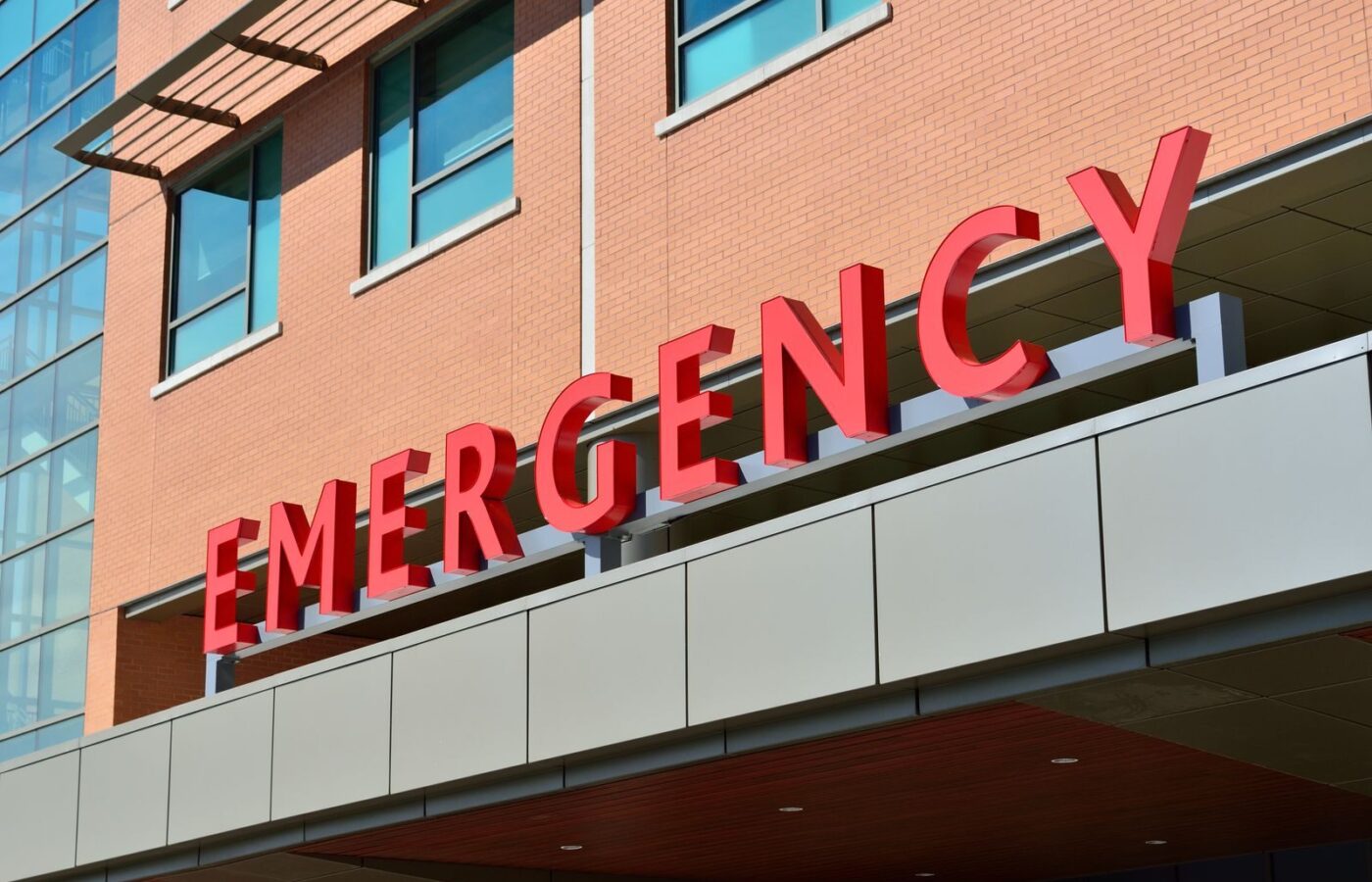
A hospital urgentný príjem is not simply a late-opening general practice. According to the National Health Information Centre, it is a continuously operating hospital department for patients in acute or life-threatening conditions.
Go there when the problem may require hospital diagnostics, monitoring, specialist intervention, or admission. Examples can include a significant injury, suspected fracture, severe or rapidly worsening symptoms, or an acute condition that cannot be managed safely through outpatient care.
Patients are triaged according to clinical urgency rather than arrival order. If the condition deteriorates while you are waiting, tell the reception or triage staff immediately.
Bring essential documents and information
Do not delay emergency treatment while searching for paperwork. When circumstances allow, bring:
- a Slovak health-insurance card, European Health Insurance Card, or private insurance details;
- a passport, residence card, or another identity document;
- a list or photographs of medicines currently taken;
- information about allergies, chronic conditions, pregnancy, and recent procedures;
- relevant medical reports, if readily available;
- a payment card or another way to pay possible charges.
EU visitors should present a valid European Health Insurance Card to a provider participating in the public system. The EU’s Your Europe portal explains that the card covers medically necessary public healthcare during a temporary stay on the same terms as locally insured patients. It does not cover private healthcare, planned treatment, or repatriation.
If you do not have the card with you, treatment cannot be refused solely for that reason, but you may have to pay upfront and seek reimbursement from your insurer. Foreign residents can read more in LovinSK’s guide to health insurance in Slovakia.
Handle payment and follow-up
What you pay depends on the type of service, your insurance status, the provider, and the treatment supplied. Statutory patient charges can apply to some forms of after-hours or hospital emergency care, while uninsured patients or people using private providers may be billed directly.
The European Commission’s Slovakia EHIC guidance notes that covered visitors may still face patient contributions and should contact their home insurer about reimbursement if they pay. Ask for an itemised receipt and retain medical reports, prescriptions, discharge papers, and proof of payment.
Before leaving, make sure you understand:
- the diagnosis or provisional diagnosis;
- how and when to take prescribed medicines;
- which symptoms require an immediate return or a call to 155;
- whether you need a review by your regular doctor or a specialist;
- how to obtain test results or further documentation.
If you receive a prescription, LovinSK’s guide to pharmacies and medicines in Slovakia explains how local pharmacies work.
Frequently asked questions
Can I go directly to a hospital urgent reception?
Yes, when the condition is acute or potentially serious. A referral is not required for emergency hospital care. For a stable, non-life-threatening problem, a regular doctor, APS clinic, or the 116117 advice line may be more appropriate.
What is the difference between 155 and 116117?
Call 155 for a life-threatening or serious medical emergency. Call 116117 for advice about a non-life-threatening health problem when you are uncertain what to do. The 116117 line cannot send an ambulance.
Should I call 155 or 112?
Both can connect you to emergency help. Number 155 goes directly to Slovakia’s emergency medical service. Number 112 is the general EU emergency number and may be useful when several emergency services are needed.
Will I be treated without insurance documents?
Urgent treatment should not be delayed because you cannot immediately produce an insurance card. However, the provider may ask for identification and insurance information later, and you may have to pay upfront if coverage cannot be established.