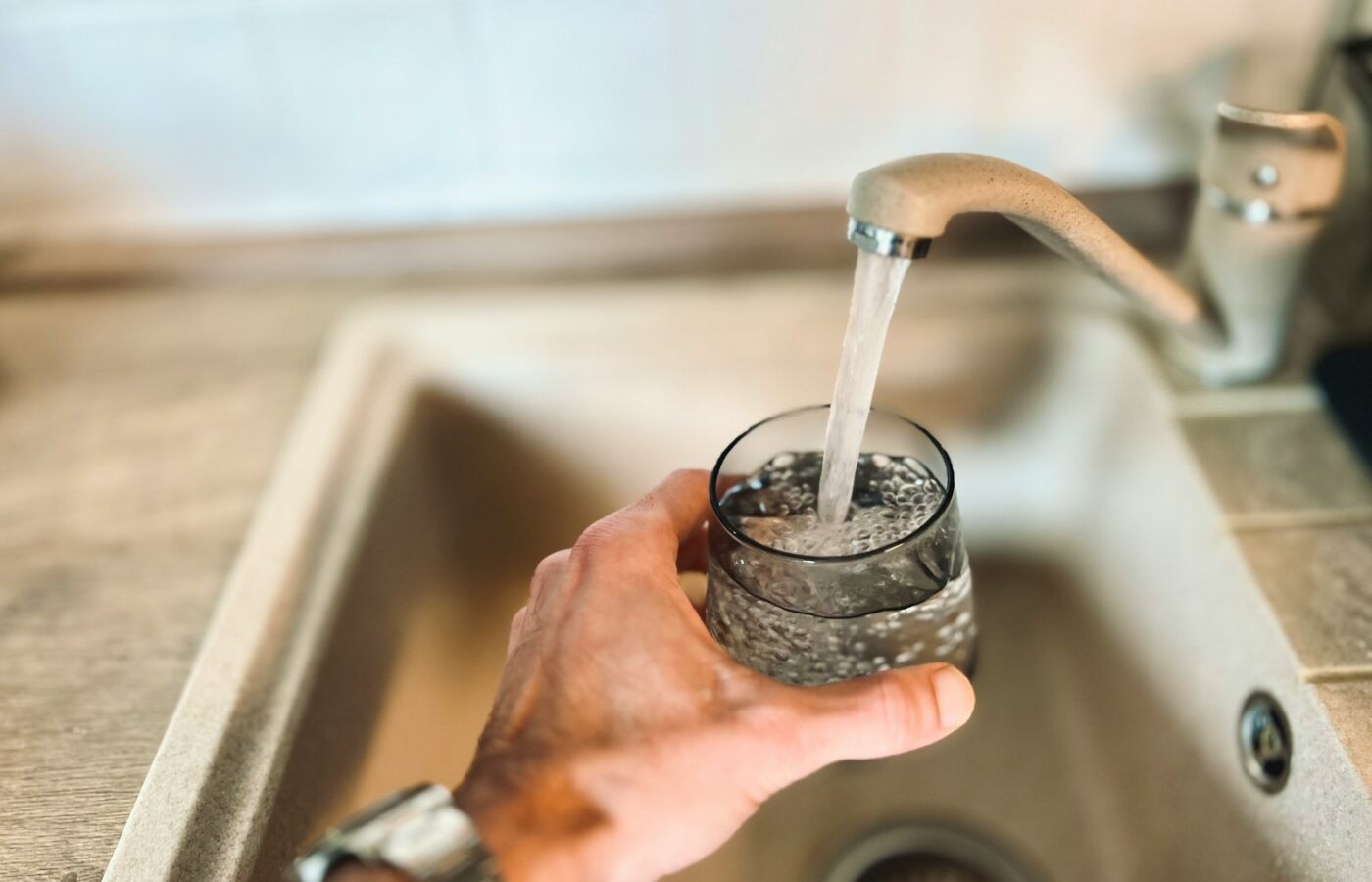
Yes, tap water is generally safe to drink in Slovakia, including Bratislava, when it comes from the public water supply. You normally do not need to boil it in hotels, apartments, restaurants, or homes connected to the public network. The main exception is private wells, temporary local warnings, old building plumbing, or unusual taste, colour, or smell.
This guide was refreshed on 16 June 2026 because Search Console shows many direct questions: can you drink tap water in Bratislava, can you drink tap water in Slovakia, is tap water safe to drink in Bratislava, and Slovakia tap water drinkable. The article now gives the answer first and then explains the exceptions.
Quick answer
| Place | Can you drink it? | What to check |
|---|---|---|
| Bratislava apartment or hotel on public supply | Usually yes | Ask landlord/hotel only if building plumbing is old or water looks unusual. |
| Restaurants and cafes | Usually yes | Tap water may not always be offered automatically. |
| Public fountains | Only if marked drinking water | Look for signs such as pitna voda. |
| Private well | Do not assume | Use laboratory testing or owner documentation. |
| After pipe works or warning notice | Follow local notice | Boil or avoid if instructed by the supplier or authority. |
Why Slovakia tap water is usually safe
Slovakia is an EU member state and public drinking water is monitored under national and EU rules. The Water Research Institute says Slovakia compiles reports on drinking water quality for large and small supply areas as required by the European Commission, with reports available through the Public Health Authority.
For Bratislava specifically, Bratislavska vodarenska spolocnost (BVS) publishes local water quality information and says drinking water from its water sources belongs among the highest quality sources in Slovakia and the wider region. BVS also provides area-specific quality indicators and hardness information.

Bratislava tap water
In Bratislava, tap water from the public supply is generally drinkable. BVS publishes water quality data by supply area and explains local water hardness. The taste can vary by district because mineral composition and building pipes differ. A slight mineral taste is not automatically a safety problem.
If you have just moved into an old flat, let the tap run briefly after long non-use and ask the landlord about the building’s internal pipes if the water is discoloured. Public suppliers control the network, but private building plumbing can affect what comes out of your tap.
Private wells are different
Do not treat private well water the same as public tap water. A cottage, village house, garden plot, or rural rental may use a private well. In that case, ask for recent laboratory test results. If no current test exists, use bottled water for drinking and cooking until the well is tested.
Hard water is common
In many parts of Slovakia, water contains calcium and magnesium and may be moderately hard or hard. Hardness can leave limescale in kettles and coffee machines. It is usually a taste and appliance issue, not a reason to avoid drinking the water. BVS publishes hardness categories and local values for selected areas.
When bottled water makes sense
- You are staying somewhere with a private well and no recent test.
- There is a local boil-water or water-quality notice.
- The water is brown, cloudy, smells unusual, or changed suddenly.
- You need mineral water, sparkling water, or a specific mineral composition.
- You are preparing baby formula and your pediatrician gives specific instructions.
Useful Slovak words
| Slovak | Meaning |
|---|---|
| Pitna voda | Drinking water |
| Nepitna voda | Not drinking water |
| Tvrdost vody | Water hardness |
| Verejny vodovod | Public water supply |
| Studna | Well |
The short answer is: yes, you can usually drink tap water in Slovakia and Bratislava if it comes from the public supply. Be more careful with private wells, old building pipes, temporary warnings, and water that looks or smells unusual.
Full practical guide
When people think of Slovakia, they often picture its majestic mountains, medieval towns, and rich cultural heritage. But there’s another treasure flowing quietly beneath the surface — literally. Slovakia is one of Europe’s most water-rich countries, with vast underground aquifers, alpine springs, and naturally filtered reservoirs. For travelers, expats, and locals alike, one question often arises: Is the tap water safe to drink?
The short answer is yes — and the long answer reveals a fascinating story of geography, engineering, and environmental stewardship.
A Water Superpower in the Heart of Europe
Slovakia’s reputation as a “water superpower” isn’t just poetic. The country holds one of the largest reserves of underground drinking water in Central Europe. Over 80% of its tap water comes from protected aquifers, many of which are naturally filtered through layers of rock and soil. This geological advantage means that Slovak water often requires minimal chemical treatment, preserving its clean taste and high quality.
The country’s mountainous terrain — including the High Tatras, Low Tatras, and Carpathians — acts as a natural filtration system. Snowmelt and rainfall seep into the ground, feeding aquifers and springs that supply cities and towns across the country.
Safety First: How Slovakia Maintains High Water Standards
Slovakia’s tap water consistently meets — and often exceeds — European Union drinking water standards. Compliance rates range from 95% to 99%, depending on the region. Water is regularly tested for:
- Microbiological contaminants (e.g., E. coli, coliform bacteria)
- Chemical pollutants (e.g., nitrates, heavy metals)
- Physical properties (e.g., turbidity, pH levels)
The Slovak Public Health Authority and local water utilities conduct frequent monitoring, ensuring that water remains safe from source to tap. Because much of the water is naturally filtered, the need for chlorine and other disinfectants is lower than in many other European countries — a major reason why Slovak tap water tastes so fresh.
City-by-City: How Tap Water Varies Across Slovakia
While water safety is consistent nationwide, taste and mineral content vary depending on local geography and water sources. Here’s a closer look at how tap water compares across major Slovak cities:
🏙️ Bratislava
As the capital and largest city, Bratislava sources much of its water from riverbank infiltration along the Danube. The water is soft to moderately hard, with calcium levels around 70–90 mg/L and magnesium between 25–35 mg/L. Despite its industrial profile, the city’s water is reliably clean and has a smooth, balanced taste.
🌄 Košice
Eastern Slovakia’s largest city draws water from underground reservoirs near the Bukovec valley. Nitrate levels are well below EU limits (typically under 10 mg/L), and calcium levels hover around 80 mg/L. Košice’s water is moderately hard and consistently ranks among the cleanest in Slovakia.
🏞️ Banská Bystrica
Located in central Slovakia, Banská Bystrica benefits from mountain-fed reservoirs. The water here is softer, with calcium near 50 mg/L and magnesium under 20 mg/L. Locals often describe it as crisp and refreshing — ideal for those who prefer lighter-tasting water.
🏔️ Poprad
Nestled near the High Tatras, Poprad enjoys access to alpine springs and deep aquifers. With calcium levels around 70 mg/L and magnesium at 25 mg/L, the water is well-balanced and frequently wins national awards for clarity and flavor.
🌿 Nitra
Water in Nitra comes from the Zobor foothills and the Žitný ostrov aquifer. It’s moderately hard, with calcium around 85 mg/L. While perfectly safe, some residents report a stronger mineral taste compared to other cities — a result of the region’s geology.
What Makes Slovak Water Exceptional?
Several factors contribute to Slovakia’s reputation for outstanding tap water:
| Factor | Description |
|---|---|
| Geography | Mountain ranges and karst landscapes provide naturally clean sources. |
| Protected Aquifers | Over 80% of drinking water comes from underground reservoirs shielded from pollution. |
| Minimal Treatment | Limited use of chlorine and other chemicals preserves natural taste. |
| Strict Regulations | EU and Slovak laws mandate frequent testing and high safety standards. |
These elements combine to create a water system that’s not only safe but also sustainable — a model for other nations.
Which City Has the Best Tap Water?
While all Slovak cities offer safe and drinkable water, some stand out for taste and clarity:
- Banská Bystrica and Poprad are often praised for their soft, crisp water sourced from mountain reservoirs.
- Košice earns high marks for purity and low contaminant levels.
- Even in Bratislava, the most urbanized city, tap water remains fresh, clean, and pleasant.
Ultimately, the “best” water depends on personal preference. If you favor softer water with a lighter taste, mountain cities like Banská Bystrica and Poprad are ideal. If you prefer a more mineral-rich profile, Nitra or Košice might suit you better.
Bottled Water? Not Necessary
One of the most compelling aspects of Slovak tap water is its sustainability. With such high standards and natural sources, bottled water is largely unnecessary for daily use. Choosing tap water not only saves money but also reduces plastic waste — a win for both your wallet and the environment.
Restaurants, cafes, and households across Slovakia routinely serve tap water, and many locals carry reusable bottles filled straight from the faucet. It’s a quiet but powerful testament to the country’s confidence in its water system.
Final Thoughts: A Resource Worth Celebrating
Slovakia’s tap water is more than just a convenience — it’s a symbol of environmental stewardship, public health, and natural abundance. Whether you’re hiking in the Tatras, strolling through Bratislava’s Old Town, or settling into life as a new resident, you can trust the water flowing from the tap.
Clean, safe, and refreshingly good — Slovak tap water is one of the country’s most underrated treasures.